An ASL Dictionary
Signing Savvy is a sign language dictionary containing several thousand high resolution videos of American Sign Language (ASL) signs, fingerspelled words, and other common signs used within the United States and Canada.And Much More!
Signing Savvy is an ideal resource to use while you learn sign language. It includes the ability to view large sign videos, build your own word lists and share them with others, create virtual flash cards and quizzes, print signs, build sign phrases, ...and moreSign of the Day - TOUR
General Interest
Partnership with WonderGrove Kids on Animated Lessons supported by American Sign Language
Posted by John @ Signing Savvy on Friday, April 5, 2013 as General InterestRaising a young child in this day and age of fast paced life is difficult. It is hard to keep up with the excitement of animated video games and television shows, which often times are not displaying the behavior or teaching the lessons that we want our young children to learn and emulate. This is why we at Signing Savvy are very proud to have a partnership with an animation company, called WonderGrove Kids, that’s primary focus is to take the wonder and fascination of animation, and use it in a very positive way to teach children the basic fundamental building blocks of life.

WonderGrove Kids takes the wonder and fascination of animation and uses lovable characters
to teach children lessons for their everyday life to help them reach their full potential.
WonderGrove Kids have created an amazingly sweet and fun group of characters to help children of all walks of life have the opportunities to learn through animation. They have taken simple daily lessons and made them into great teachable videos, very colorful and fun to watch, yet short enough in length that they keep children’s attention. They are specifically designed to fit well with an Early Childhood Curriculum and perfect for daily use in the home or classroom. Children will ask to watch them over and over.

From "Always Buckle Your Seatbelt" to "Respect Others on the Playground" and "How to Order a Balanced Meal," the WonderGrove Kids series provides parents and teachers with a well-rounded selection of animated learning episodes to help children prepare for the daily challenges of life both inside and outside of school.
Working with Signing Savvy, WonderGrove Kids has created a sign language version of their animations. In the sign language version, not only are the animations closed captioned, but the key concepts presented throughout the animations are reenforced with sign language videos. The sign language version of the animations are great for children (and adults) that want to pickup and practice sign language vocabulary, including young hard of hearing and deaf children and hearing children that may have been introduced to baby sign language. Children with communicative delays can also benefit from the animations. Learning and using sign language has been shown to help with understanding vocabulary and context and improve overall communication. We're excited to bring you sign language through these adorable animated lessons.
Switched at Birth entirely in American Sign Language TONIGHT Monday, March 4
Posted by Jillian @ Signing Savvy on Monday, March 4, 2013 as General Interest
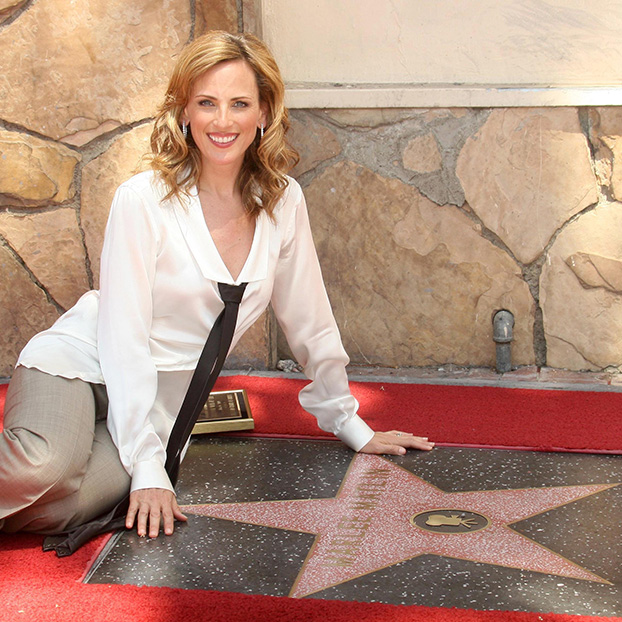
Tune into the television show Switched at Birth tonight (Monday, March 4th), to see the new episode "Uprising" told entirely in American Sign Language (ASL). It airs at 8/7 central time on ABC Family. It will be the first show on mainstream television to air in entirely ASL. The episode will have open captions for hearing viewers.
The storyline was inspired by protests that happened 25 years ago this March at Gallaudet University. The real-life "Deaf President Now" protests began on March 6, 1988 when the Gallaudet Board of Trustees appointed its seventh hearing president. The protests ended seven days later, on March 13th, after the first Deaf university president, I. King Jordan was appointed.
In the new Switched at Birth "Uprising" episode Daphne leads a demonstration after learning the Carlton School for the Deaf may close.
Switched at Birth is a one-hour television show about two teenagers who were switched at birth. One of the teenagers is deaf and the show incorporates sign language into most episodes. The show was first aired in June 2011 and is now in it's second season.
Check out the all ASL episode tonight to see the beauty of sign language in action!
For more information see the Video on Switched at Birth's All-ASL Episode.
The Use of an Assistance Dog for people who are Deaf and Hard of Hearing
Posted by John @ Signing Savvy on Thursday, January 31, 2013 as General Interest
Many people have heard of individuals using dogs to assist them with their visual difficulties, but the use of dogs for people who are Deaf and Hard of Hearing is less understood by the general public. Hearing dogs for the deaf alert their owners to sounds, both inside and outside of the home. Some deaf people also choose to get hearing dogs for safety reasons.
The general public's lack of understanding about dogs for the deaf has been known to cause a problem for some hearing dog owners. Some restaurants or stores where the owners are not aware of the current Americans with Disabilities Act (ADA) laws, have either told deaf owners to leave their dog outside, or refused them service. Some have even gone as far as saying, "You clearly aren’t blind! Why do you need a dog?"
These dogs are assistance dogs that have been very well trained and are not just your average pet with a vest on them. It is the owner’s responsibility to keep them well groomed and to monitor their behavior, but because of the extensive screening and training process these dogs go through, disruptive behavior is rarely a problem. These dogs are trained to alert their owners of different sounds such as a siren, fire alarm, crying baby, telephone, or car horn. It is through the use of these dogs that many deaf people say they become more independent and interactive with their surroundings. The dogs are trained to learn obedience, correct response to sounds, and how to respond to voice and hand signals.
There are resources out there to educate yourself about assistance dogs of all types and the laws that apply to them. Assistance / service dogs have also been known to work with individuals dealing with mobility assistance, seizure alert, medical alert, autism and psychiatric issues.
Find out more:
- Dogs for the Deaf, Inc.: An organization that rescues and professionally trains dogs to help people and enhance lives.
- About Dogs for the Deaf, Inc.'s hearing dogs
- General information on hearing dogs for the deaf from About.com
- Americans with Disabilities Act (ADA) requirements for service animals
- Americans with Disabilities Act (ADA) commonly asked questions about service animals in places of business
- Dogs for the Deaf, Inc review of assistance dog laws
Related Books:
Sound Friendships: The Story of Willa and Her Hearing Dog
By Elizabeth Yates
The story of Willa Macy, who lost her hearing when she was 14, and Honey, a golden retriever, who helped her to discover a new world of independence and security. It is also a story about Hearing Dogs - their background, training, special abilities, and the unique relationship they develop with their owners.
Luke and his hearing-ear dog, Herald
By Andrea Zoll and Arlene Garcia
A book for children about a deaf 9-year-old boy Luke and his hearing dog.
Lend Me an Ear: The Temperament, Selection and Training of the Hearing Ear Dog
By Martha Hoffman
Written by a hearing dog trainer, the book includes tips, trainer's secrets, and why hearing dogs are the fastest-growing facet of the assistance dog industry.
The Many Faces of the Users of Sign Language
Posted by John @ Signing Savvy on Sunday, November 25, 2012 as General InterestAbout a year and a half ago, I came across a young man having problems in one of my schools. He was about five years old and like any other five year old boy, he was a bit stubborn. But, unfortunately, he was also known to be a bit of a “flight risk” from the classroom. We will call him Alex.
Alex isn’t deaf. I don’t even think he is hard of hearing. Alex is a very bright young man….a bright young man with Downs Syndrome. Because of the Down’s, Alex has a lot of trouble with his expressive communication skills. He can hear everything anyone is saying to him, and he really enjoys interacting with others he comes across. He is a very affectionate boy. But up until a year and a half ago, Alex had no real way to communicate back to others what he wanted to say. He made noises here and there but other than gestures, his full thoughts were not being conveyed well and his frustration with communication was evident.
Thankfully Alex’s teacher had previously worked as a speech therapist in a Deaf and Hard of Hearing classroom and she suggested Alex be placed in a DH/H classroom setting where he would be submersed in sign language and he would have continual access to those who used it. Alex picked up on the concept of signing almost immediately. His signs, much like baby signs are often approximations of the true ASL sign, but they are definitely understandable. His command of language shows remarkable purpose and thought.
Today it is AMAZING to see Alex sign with his teachers, interpreters and his peers. He has a schedule and knows exactly how to use it and the purpose behind it, even making suggestions of ways to add to his schedule so that it is more complex and inclusive to his needs. He is reading everyday words that are a part of his schedule. His mother and the staff that work with him are so happy with Alex’s progress. “He has become a MUCH happier boy now that he can effectively communicate his wants and needs.” Adds one member of his educational team. His mother’s comment, “Our home life is night and day different and the frustrations, although still there at times, are so much less than what they were before Alex had a voice through sign language.” This comment brought a tear to my eye and a lump in my throat.
These are the people we created Signing Savvy for, the people who need a voice and those who work with them. We know there are others out there like Alex who may not be Deaf or Hard of Hearing but are still walking the earth “without a voice”. If you know anyone who fits into this category, please don’t hesitate to suggest the introduction of sign language to them. You may dramatically change their life forever!
Alex’s face is distinctly different than your typical Deaf or Hard of Hearing child, yet one thing is very much the same…..the smile when he is communicating.
Vote or pass gas?
Posted by John @ Signing Savvy on Thursday, October 25, 2012 as General InterestSeeing that we are in midst of the election season, I thought it would only be fitting to share a non-partisan sign language story that should give you a good chuckle as you enter your local voting precinct.
This story relates directly to how signs can have very similar hand shapes and very similar movements BUT can have very different meanings just because of a few subtle changes! For example, see the similarity between the signs for vote and fart.
This experience happened to me in my first year of teaching in the public school system in rural Michigan. It was Election Day, and like many public buildings, the school was being used as a voting precinct. Because of this, the cafeteria was set up with tables and voting booths and the children had to eat their lunches in the classrooms. I knew by the tilting of their little heads and the look of wonder in their eyes when I explained to my two young kindergarten students, that they clearly had no clue what I was explaining to them about voting and elections, and why they weren’t eating their lunch in the normal location.
I decided that after lunch, on our way down to their mainstream classroom, I would take advantage of this teachable moment and show them the cafeteria all set up and the people in the booths voting.
As I opened the door to the cafeteria (filled with many elderly folks both working the election and voting themselves) and did some explaining, I thought I saw the light come on in one of my student’s eyes; at which time she said (with very clear speech and sign), “So all these old people are here farting!” Thankfully half the people in the room were hard of hearing themselves and didn’t hear my student’s perception of what was happening in the room! I laughed so hard I cried! To this day whenever I walk into the voting booth I think about that former student and her confusion of the two signs and their very different meanings! (I also wonder just how many people do walk in the voting booths, close the curtains and fart…sorry…I just do!)
ADVERTISEMENTS


Savvy User Carla
Savvy Member
Monday, May 20, 2013
“It requires wisdom to understand wisdom: the music is nothing if the audience is deaf.” ― Walter Lippmann